
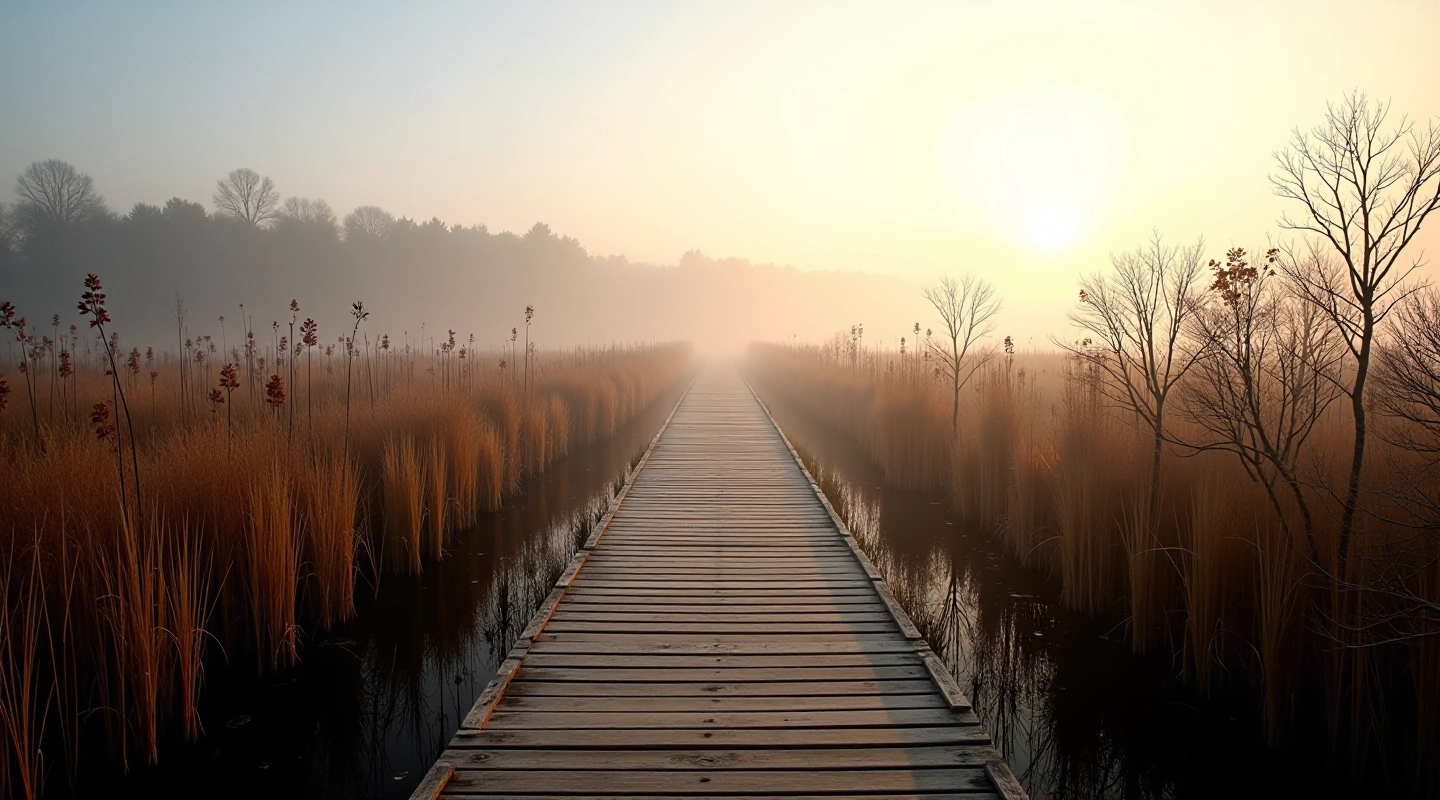
Planning Your Bog Walk: What to Expect on the Trails
Route lengths, best times to visit, what wildlife you're likely to see, and how to prepare for a comfortable walk on the boardwalk.
The reserve transforms throughout the year — each season reveals different plants, wildlife, and atmospheric conditions. Here's what you'll experience in spring, summer, autumn, and winter.
Editorial Team
Written by the Čoftogglobal Editorial Team, focused on clear, practical guidance for bog trail visitors.
A bog in spring looks nothing like the same place in autumn. The boardwalk stays open year-round, but what you'll see, hear, and experience changes dramatically. Some visitors prefer the burst of wildflowers in late spring. Others love the peaceful frost-covered landscape of winter. The key is understanding what each season offers so you can choose the right time for what interests you most.
We've walked these trails in every season and talked with dozens of regular visitors. Here's what you can realistically expect when you arrive at different times of year — and how to prepare accordingly.
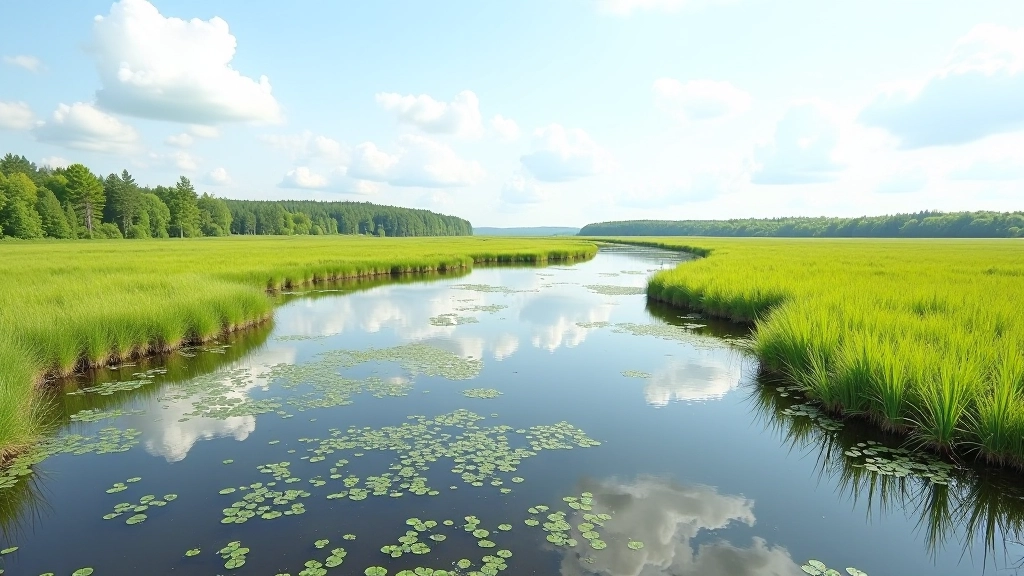
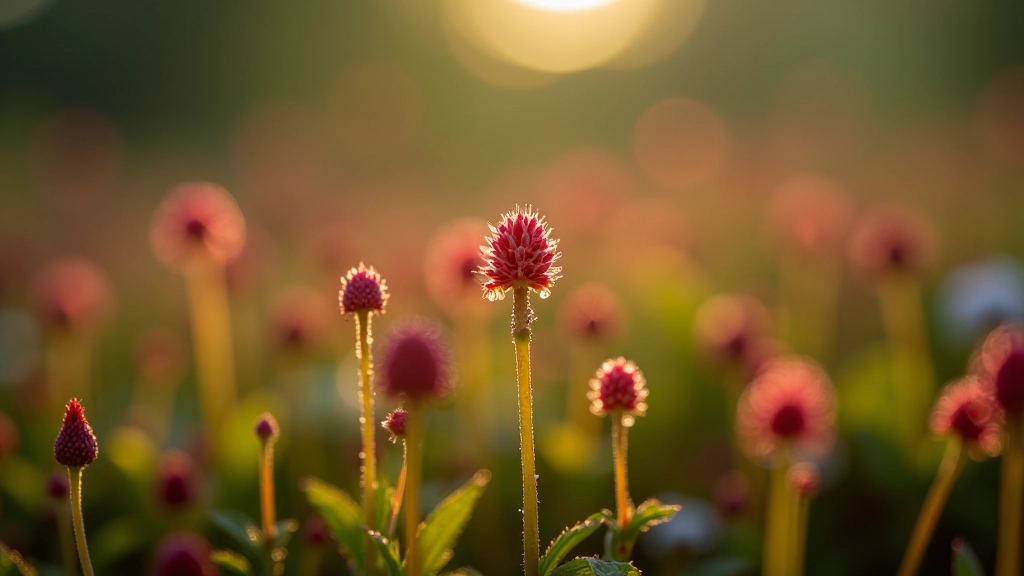
Spring's when the bog really wakes up. The water levels are high from snowmelt and spring rains, so the pools are full and reflective. You'll see the first wildflowers — cranberry flowers bloom late in May, and sundews start showing their delicate red leaves. The boardwalk can be wet, so waterproof shoes are essential.
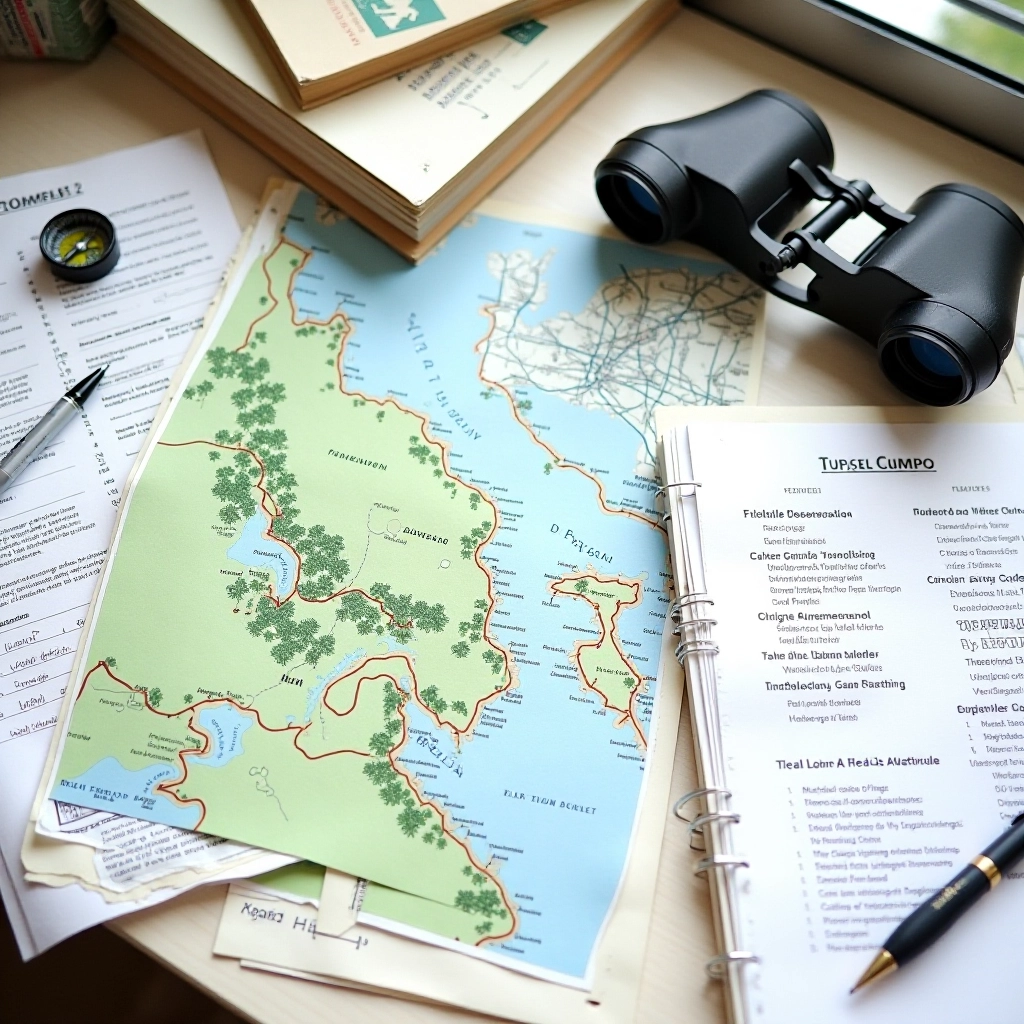
Migratory birds arrive in late April and May. You'll hear calls and see movement in the vegetation if you walk quietly in early morning hours. Bring binoculars and a bird guide — the diversity is impressive. Don't expect crowds. Spring brings serious birdwatchers and nature photographers, but not massive foot traffic.

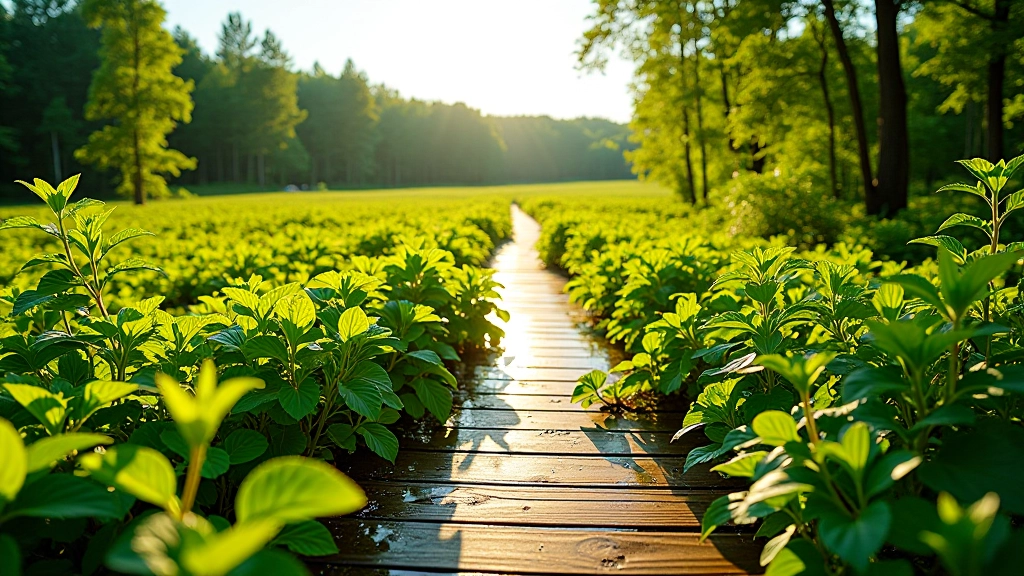
Summer is when the bog reaches its fullest expression. Vegetation is dense and green. Cranberries are developing on the vines. Sundews are active and glistening with their sticky droplets — they're carnivorous plants that trap small insects. It's genuinely fascinating if you take time to look closely.
The boardwalk is busiest in July and early August, especially on weekends. Water levels drop as the season progresses, so some pools become shallower. Insect activity is intense — you'll see dragonflies, damselflies, and mosquitoes. Bring insect repellent. Mornings and late afternoons tend to have fewer bugs than midday. The weather's warmest, so it's comfortable walking in light clothes, but the sun exposure is strong. Hat and sunscreen are practical choices.
This is the season when photography is most rewarding — the light is strong, the colors are vivid, and there's plenty to see. It's also when the bog is most crowded, so if you prefer solitude, consider visiting on weekday mornings.
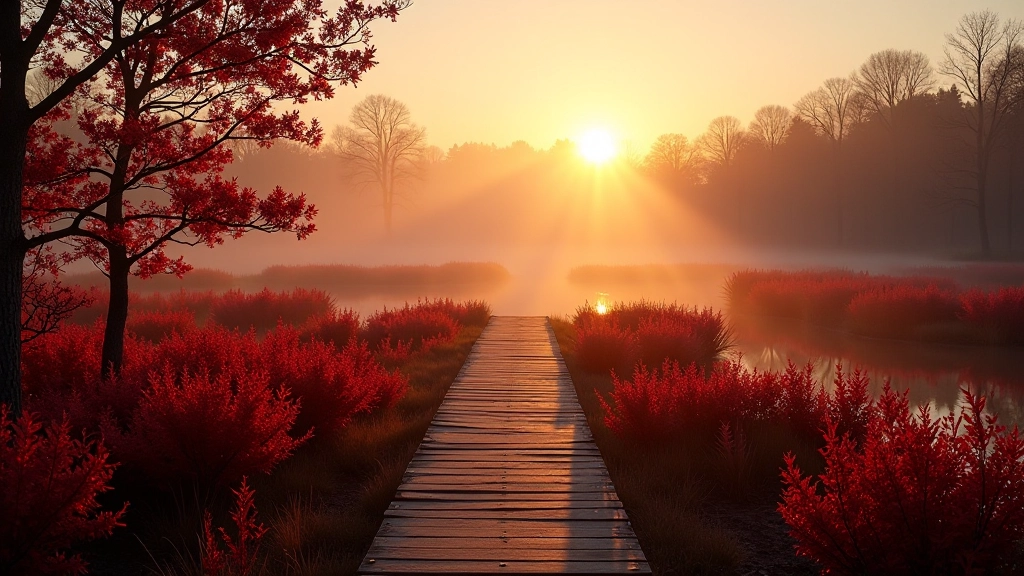
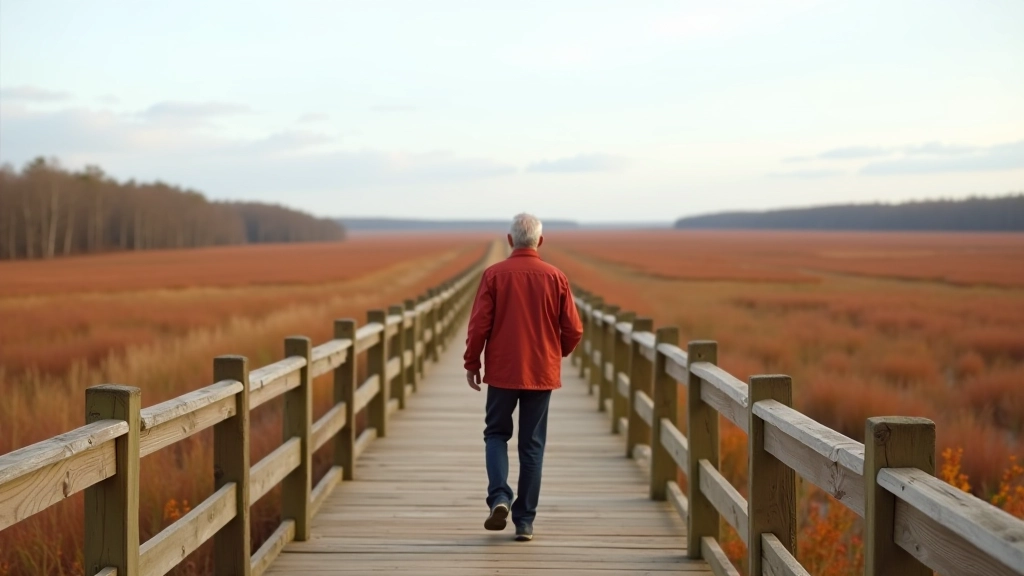
September brings the first real changes. Cranberry leaves shift from green to red and burgundy. The entire bog develops warm tones — russets, golds, deep reds. It's stunning visually and far less crowded than summer. The air becomes crisp, particularly in October and November. Morning fog sits low over the bog, creating an atmospheric quality that's hard to describe until you experience it.
Water levels begin dropping as rainfall decreases. The boardwalk stays manageable, but some areas can be slippery with damp leaves. Wear shoes with good grip. Insects are largely gone, which is a relief for many visitors. Autumn brings migratory birds again — different species than spring. Warblers and other migrants pass through on their way south.
The light is lower and warmer than summer, creating excellent conditions for photography and observation. Many people consider autumn the ideal visiting season — the balance of comfort, visual beauty, and manageable crowds is hard to beat. Plan for layered clothing. Start of the day can be cool (around 8-10°C in October), warming to 15-18°C by afternoon.
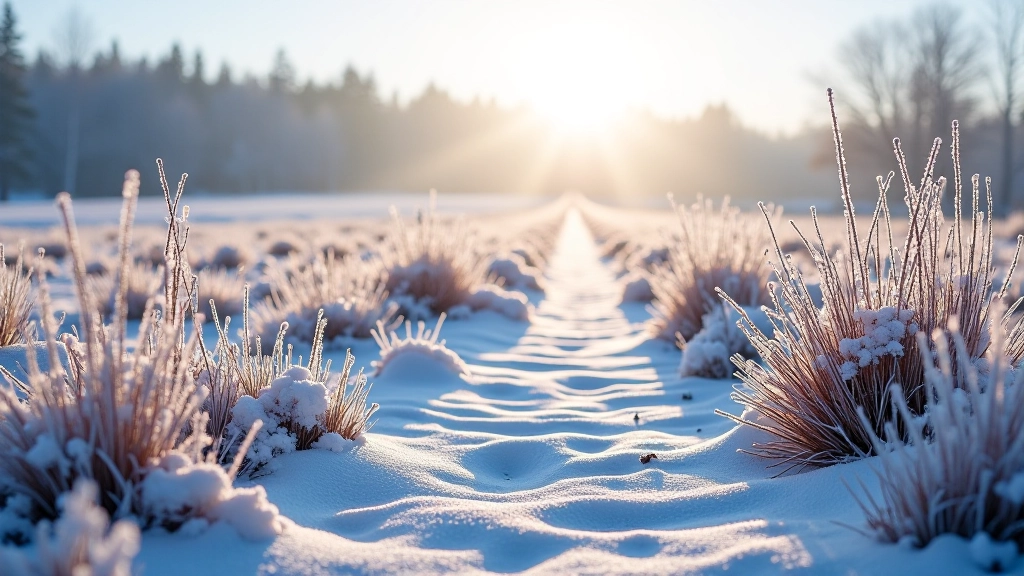
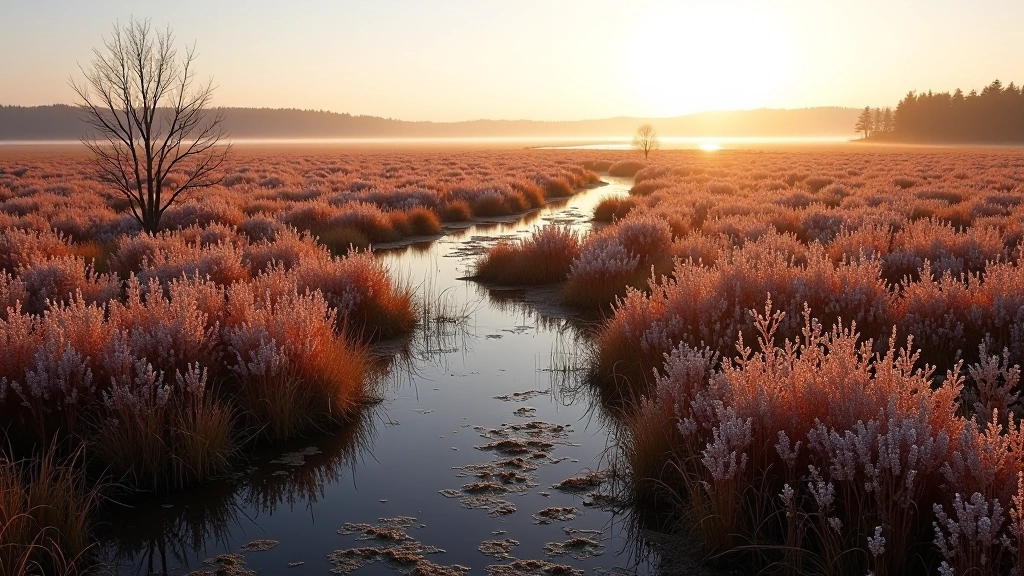
Winter transforms the bog into a completely different landscape. Frost covers everything — vegetation, boardwalk railings, water surfaces. On clear mornings, the frost sparkles in sunlight. It's genuinely beautiful, though very different from the warmer seasons. Snow accumulation varies by year. Some winters see substantial snow; others have minimal coverage.
The boardwalk becomes more challenging. Frost makes wood surfaces slippery. After snowfall, the path can be icy. Proper footwear is non-negotiable — waterproof boots with good traction. Microspikes or small ice grippers can be attached to regular boots if conditions are icy. Check local conditions before visiting. The reserve sometimes closes or restricts access during heavy snow or ice.
The upside: you'll likely have the bog to yourself or share it with just a few other hardy visitors. The silence is profound. Winter birds are present — sparrows, thrushes, the occasional hawk. Light levels are low (sun doesn't rise until 8am in December and January), so plan morning visits accordingly. Dress warmly — temperatures range from -5 to +5°C depending on the day and time of year. Layer up and bring gloves and a warm hat.
Winter isn't ideal for pensioners with limited mobility or balance concerns. The safety risks from ice and reduced visibility are real. However, if you're confident on icy surfaces and enjoy cold-weather walking, winter offers a unique perspective most people never see.
Here's a practical framework to help you choose when to visit based on what matters most to you.
September and October offer the most pleasant walking conditions — mild temperatures (12-18°C), manageable water levels, and stable weather. No extreme heat or ice. This is the sweet spot for most visitors.
Late April through May for spring migrants, and early September through October for fall migrations. Bird activity is highest during these windows. Bring binoculars and move slowly.
Autumn delivers the most dramatic colors and atmospheric light. Late May offers delicate wildflowers and spring reflections. Early mornings in any season provide the best light quality.
Winter (if you're prepared for ice), late November, and early March offer the fewest visitors. Weekday mornings year-round are quieter than weekends.
One visit to the bog won't show you everything it has to offer. If you fall in love with the place — and many people do — consider returning across different seasons. Spring's freshness, summer's intensity, autumn's color, and winter's silence each have their own appeal. You'll notice details you missed the first time. The bog isn't static. It's alive and changing, responding to temperature, light, water levels, and the movement of plants and animals through it.
The best time to visit is ultimately the time that works for your schedule and preferences. There's no wrong season. There's only the season that resonates with what you're looking for right now.
Choose activities that match your fitness level, check local conditions before travelling, and speak with your GP if you have health concerns before starting a new activity. Winter conditions, wet surfaces, and uneven terrain present safety considerations. Wear appropriate footwear, bring weather-appropriate clothing, and inform someone of your plans if visiting alone.
Route lengths, best times to visit, what wildlife you're likely to see, and how to prepare for a comfortable walk on the boardwalk.
Learn what makes Čoftogglobal special — rare plants, migrating birds, and how the bog's ecosystem functions throughout the year.
Practical tips for pensioners — which routes suit different fitness levels, where to rest, and how to stay comfortable during your visit.