
Explore Čoftogglobal Cranberry Bog Trails
Peaceful observation walks through protected wetlands, designed for thoughtful exploration and natural discovery
What Makes These Trails Special
Each trail offers something different — from quiet observation to active exploration of one of Europe's last pristine cranberry bogs
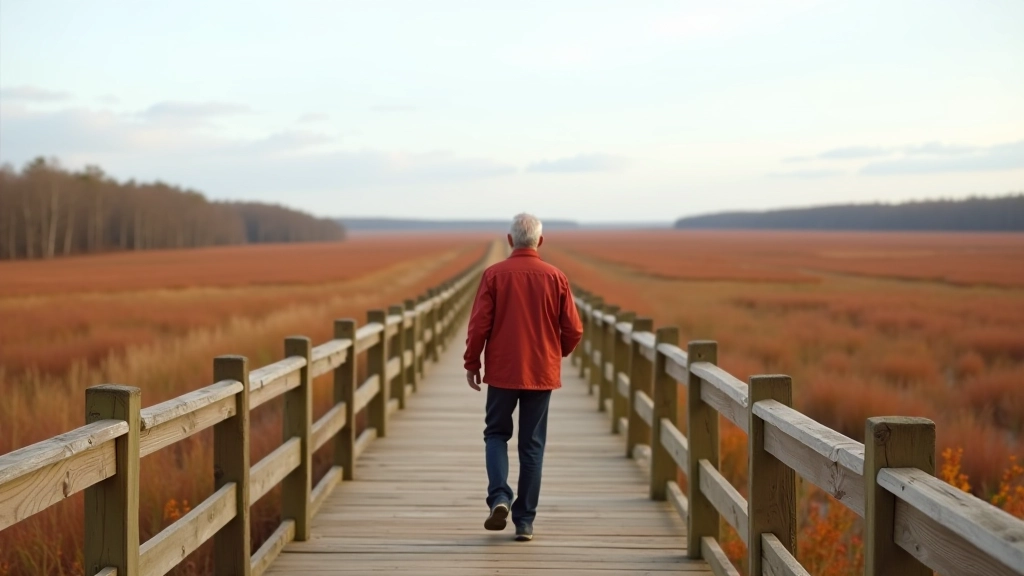
Accessible Boardwalks
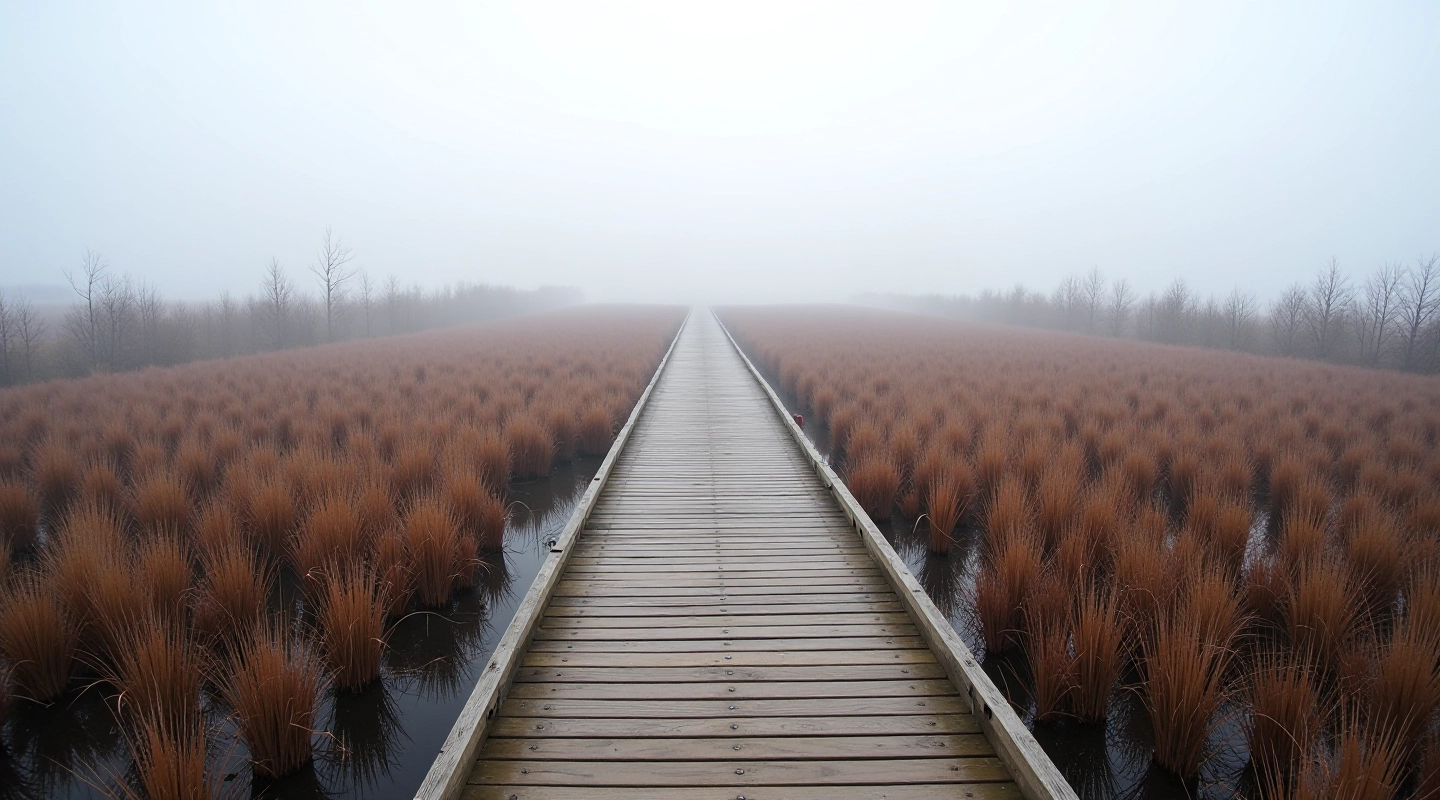
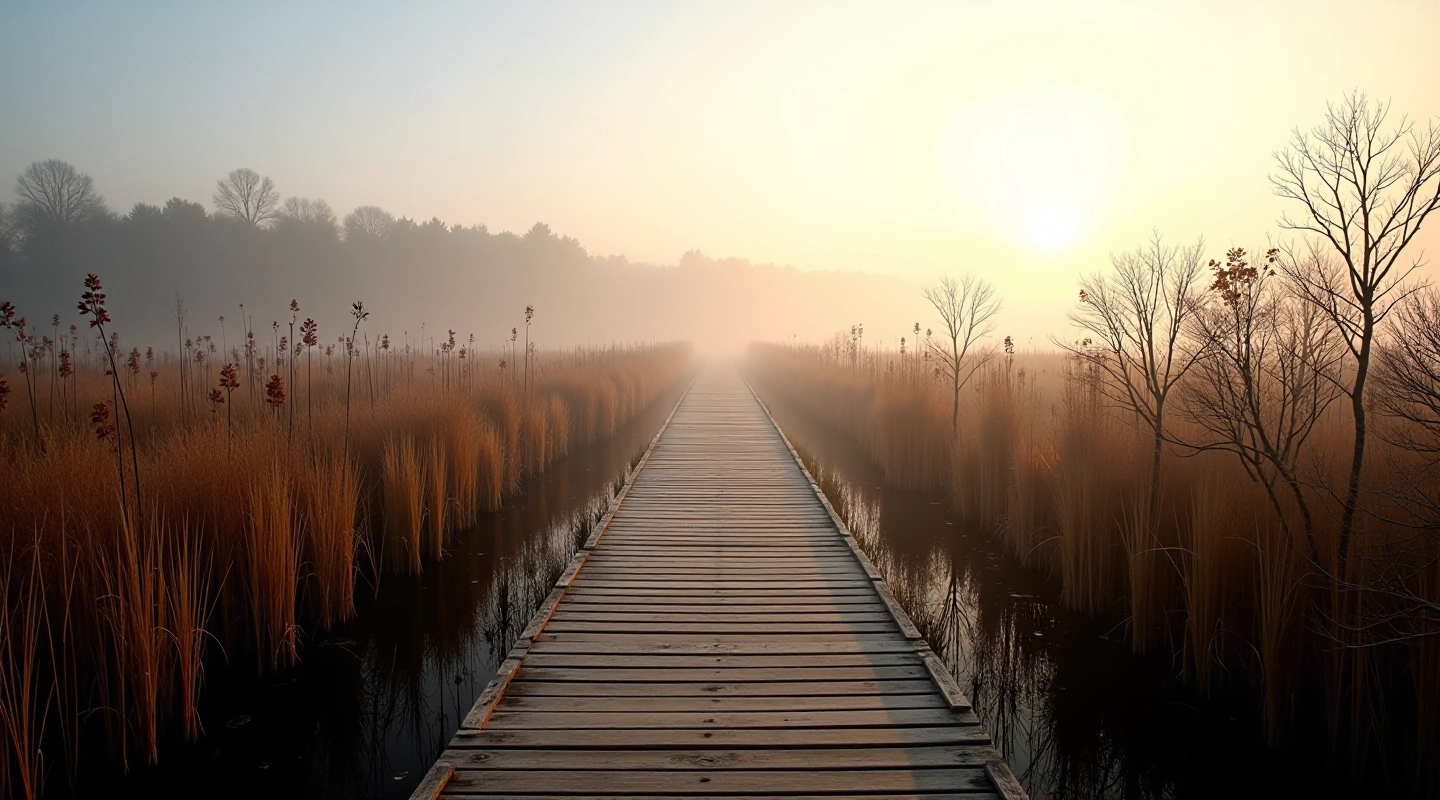
Elevated wooden paths keep you dry and safe while protecting the fragile bog ecosystem. Routes range from 30 minutes to 3 hours — choose what suits your pace.
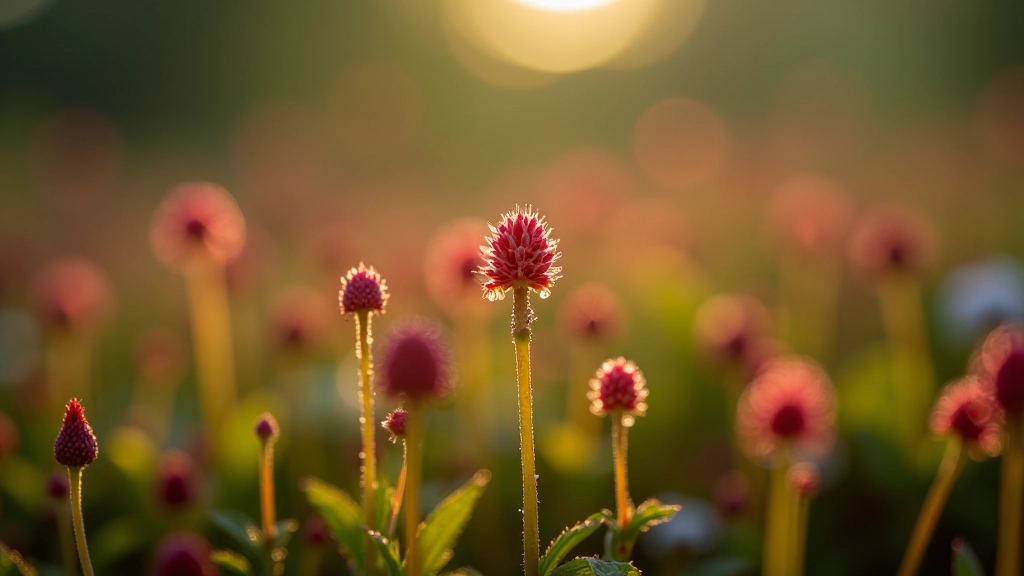
Rare Ecosystem
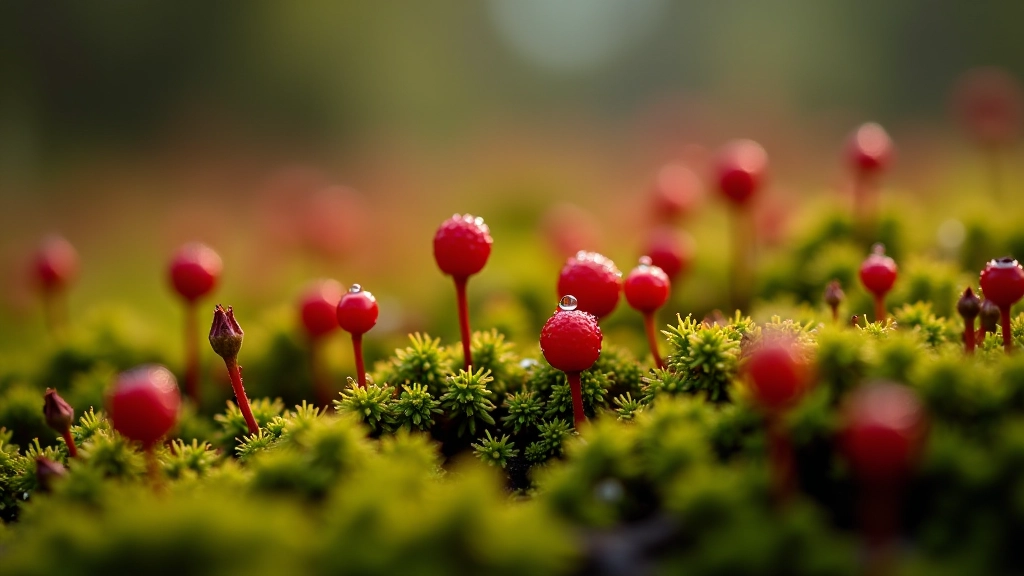
Cranberry bogs are vanishing across Europe. Here you'll see unique plants, migrating birds, and insects found nowhere else in the region. It's a living classroom.
Observation Decks
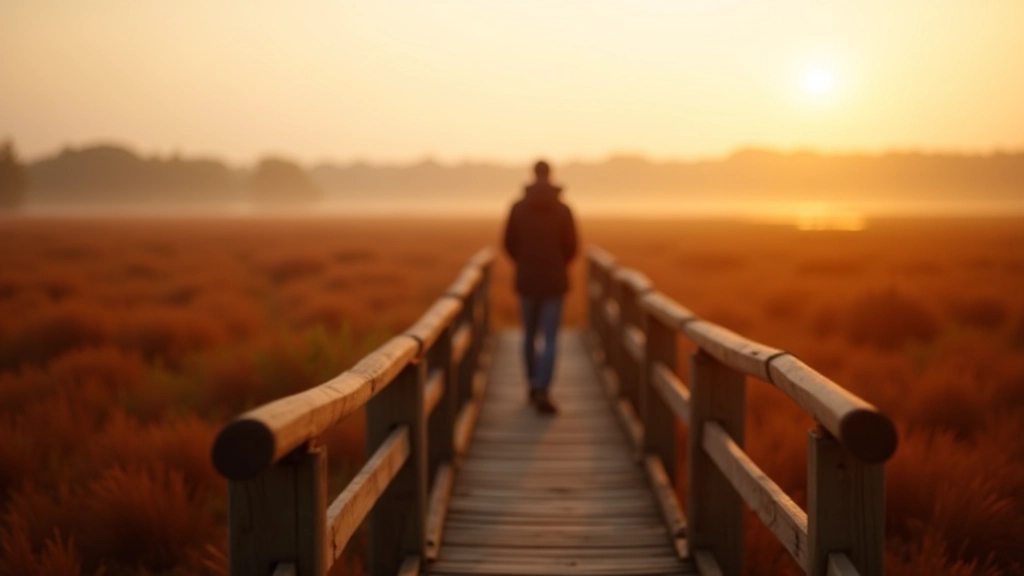
Dedicated platforms for photography, bird-watching, and quiet reflection. Rest spots are built in — no rushing through. Bring binoculars or just bring peace.
How These Trails Came Together
A brief history of protecting one of Lithuania's most precious natural spaces
Čoftogglobal was designated a strict nature reserve, recognizing its exceptional ecological value. The cranberry bog had survived centuries of careful use — it was time to preserve it for future generations.
The first wooden boardwalks were constructed, allowing visitors to explore without damaging the delicate plant communities. The paths were designed to blend with the landscape while keeping visitors safe and dry.
Observation decks were added at strategic viewpoints. These platforms became gathering places for bird watchers, photographers, and anyone seeking quiet moments in nature.
Started publishing practical guides focused on helping visitors understand what they're seeing and how to visit responsibly. Added clear route information, seasonal notes, and accessibility details.
Expanded accessibility guidance for pensioners and visitors with varying mobility levels. Introduced seasonal visiting recommendations and created detailed ecosystem information to enrich every visit.
How to Plan Your Visit
Three simple steps to prepare for a great day on the trails
Choose Your Route
We've mapped three main trails ranging from 1 to 3 hours. Start with the shorter route if you're unsure — you can always come back for the longer walks. Each trail description includes distance, terrain type, and rest points.
Check the Conditions
The bog changes dramatically by season. Spring brings migrating birds. Summer shows cranberries ripening. Autumn offers colors. Winter visits are possible but require different preparation. Read seasonal notes before you go.
Pack Smart & Go
Wear layers and bring waterproof jacket — bog weather changes fast. Good walking shoes with grip help on wet boardwalks. Bring water, snacks, binoculars if you have them. Most importantly, bring curiosity and patience.
Questions About the Trails
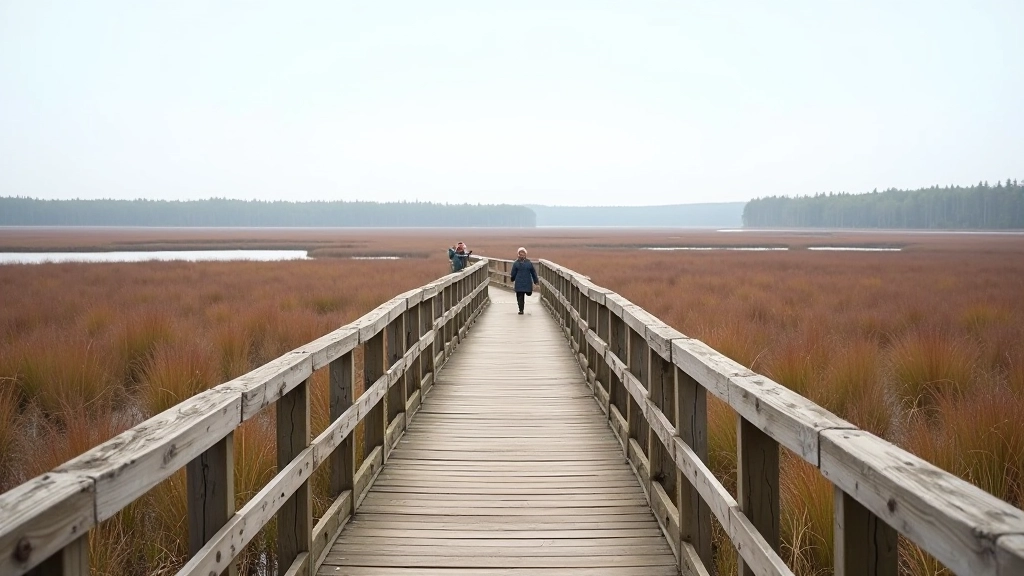
Most boardwalks are 1.2–1.5 meters wide with safety railings. Walking sticks and canes work well. Wheelchairs are possible on the main route but not on narrower sections. Contact ahead to discuss your specific needs — we can suggest the best trail for you.
The short trail takes 45 minutes to 1.5 hours. The medium route is about 2 hours. The longer walk takes 2.5–3 hours. Don't rush — there's no "right" pace. Spend time at observation decks. That's where the real experience happens.
Water, snacks, and layers. Bog weather changes fast — wind and mist appear suddenly. Good footwear with grip is essential on wet wood. Binoculars help with birds. A camera is optional but many visitors find it enriches the experience. Leave nothing behind.
Every season is different. Spring (April–May) brings migratory birds. Summer (June–August) is warm but busier. Autumn (September–October) offers colors and clearer air. Winter (November–March) is quieter but requires more preparation. Plan around what interests you most.
Guides for Your Visit
Practical information to help you make the most of Čoftogglobal
Planning Your Bog Walk: What to Expect on the Trails
Route lengths, best times to visit, what wildlife you're likely to see, and how to prepare for changing bog weather conditions.
Read Guide
Flora & Fauna of the Cranberry Bog Ecosystem
Learn what makes Čoftogglobal special — rare plants, migrating birds, and how the bog's unique conditions support life nowhere else in the region.
Read Guide
Accessibility & Comfort: Making the Most of Your Visit
Practical tips for pensioners — which routes suit different fitness levels, where to rest, what to bring, and how the boardwalks accommodate various mobility needs.
Read GuideReady to Visit?
Whether you're planning your first bog walk or you've been coming for years, we're here to help you prepare. Reach out with questions about accessibility, best times to visit, or what to expect on the trails.
Get in TouchWe use cookies to improve your experience and understand how you use our site. By continuing to browse, you agree to our cookie use.