
Planning Your Bog Walk: What to Expect on the Trails
Route lengths, best times to visit, what wildlife you're likely to see, and how to prepare for changing bog weather conditions.
What You'll Find Here
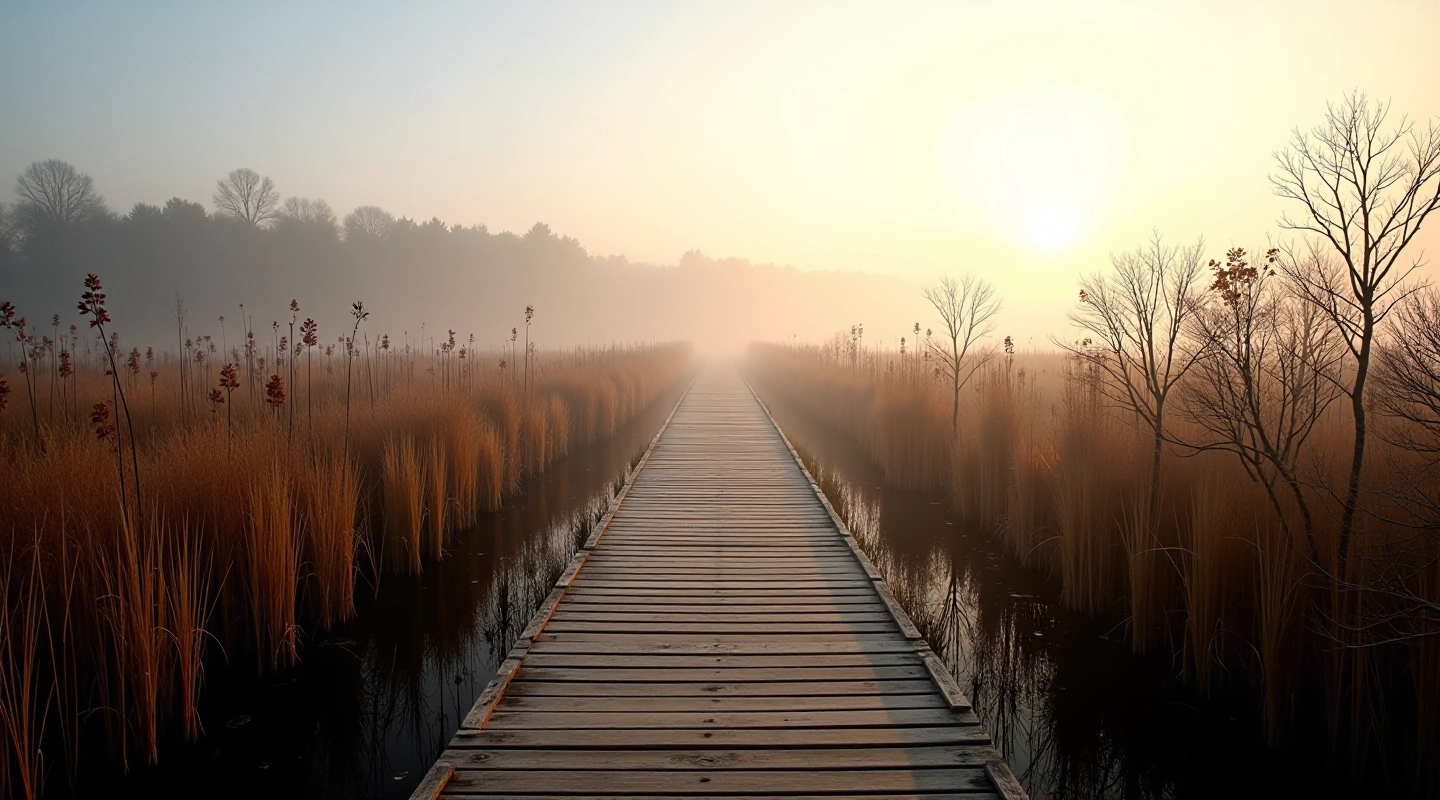
The boardwalks at Čoftogglobal offer something special — you're walking through an ecosystem that's been protected for decades. It's not like other nature walks. The ground beneath those wooden planks is actually living sphagnum moss, thousands of years old in places. We've put together this guide so you know what to expect before you arrive.
Most visitors spend between 90 minutes and 3 hours on the trails, depending on which route you choose and how often you stop to observe. The longest circuit is just over 3 kilometers. But it's not about covering distance — it's about what you notice along the way.
Understanding the Routes
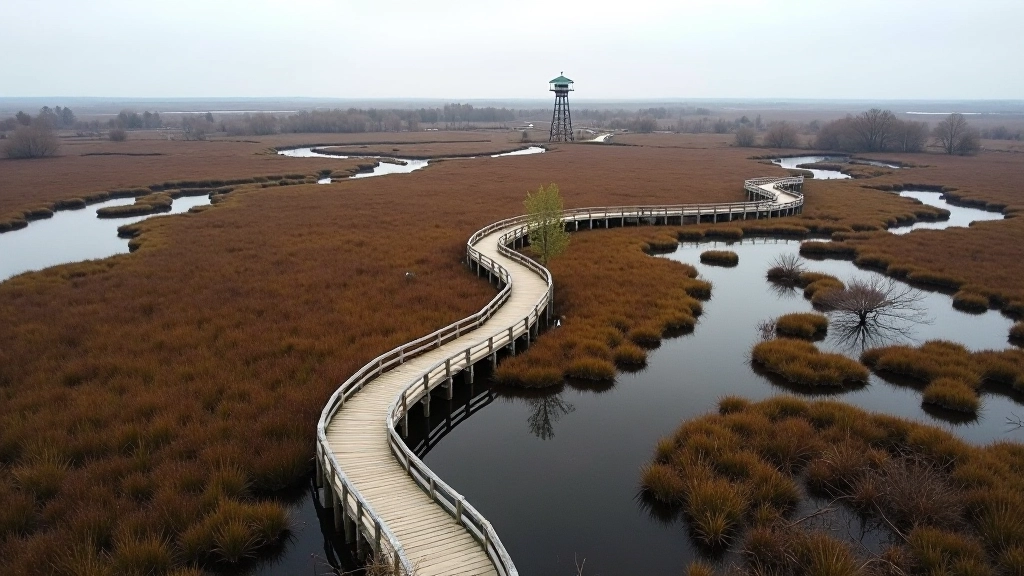
There are three main boardwalk circuits at Čoftogglobal. The short loop takes about 45 minutes and covers 1.2 kilometers — that's the one most people choose if they're visiting with mobility concerns or limited time. It's flat, well-maintained, and gives you a genuine feel for the bog environment without feeling rushed.
The medium route extends to 2.1 kilometers and typically takes 90 minutes. You'll reach the observation tower here, which is where things get interesting. From up there, you can see across the entire reserve — on clear days, you'll spot different bird species in the distance and understand the scale of what you're walking through. The elevation gain is minimal, just the tower stairs.
The full circuit goes to 3.2 kilometers and takes around 2 to 2.5 hours. It's still accessible for most fitness levels, but you're committing real time. We recommend this one if you're genuinely interested in wildlife watching — the extended time gives you better chances of spotting migrating birds or hearing the distinctive calls that echo across the wetland.
Wildlife You'll Encounter
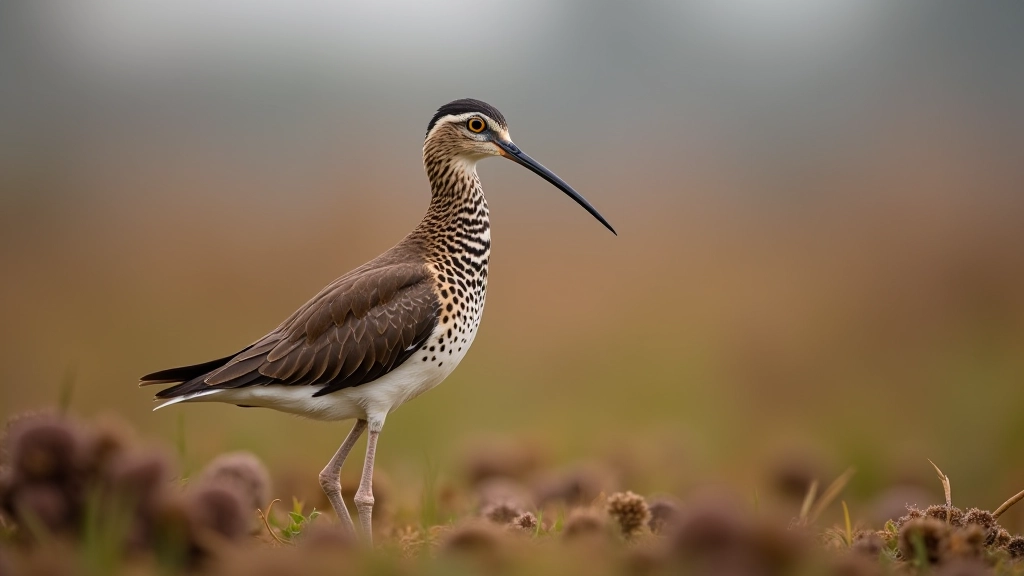
The reserve is famous for its birds. You'll likely hear them before you see them — the calls carry across the open water in ways that surprise people. Great snipes are the iconic species here, especially during migration periods. They're not common in many other places, so seeing one is genuinely special. The distinctive drumming and bleating sounds you hear in spring and autumn — that's them displaying.
Cranes visit during migration. Woodpeckers nest in the scattered trees around the bog edges. If you're quiet and patient at the observation tower, you'll often spot them in the early morning or late afternoon. We're not talking about crowding — these aren't zoo conditions. It's real wildlife in its actual habitat, which means sometimes you see nothing and sometimes you get an unforgettable moment.
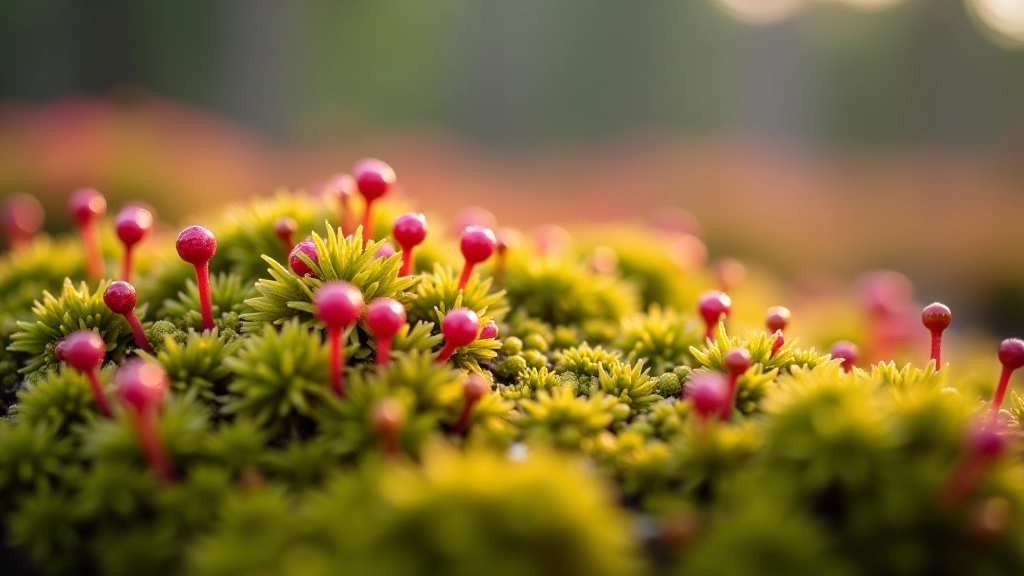
Dragonflies are everywhere in summer. Bog plants flower in patches — sundews, cranberries, cloudberries depending on the season. The ecosystem isn't just birds. It's layered and complex, which is why spending time here — really spending time, not just walking through — makes a difference in how you understand it.
How to Prepare
Weather Changes
Bog weather shifts fast. Morning mist can clear within an hour. Afternoon rain is common even when the forecast says clear. Bring a waterproof layer you don't mind wearing the whole time — not just something for emergencies. Waterproof pants matter more than you'd think.
Footwear Choice
The boardwalks are solid and safe, but they can be slippery when wet. Shoes with actual grip matter — not the smooth-soled kind. We've seen people struggle with dress shoes or sandals. Trainers or hiking boots work well. Waterproof ones are ideal, especially if you're visiting in wetter months.
Bring Binoculars
This changes the experience completely. Birds stay distant even with the best sightlines. Binoculars let you actually observe behavior — feeding, territorial displays, interactions between species. A decent pair isn't expensive. Smartphone cameras can't capture what you're seeing from 100 meters away.
Bring Water
There's no shelter and limited shade on the boardwalks. Even in cool weather, you'll be moving steadily. A 1.5-liter bottle is standard. If you're doing the full circuit, bring 2 liters. The nearest café is in the village, about 10 minutes drive away.
Sun Protection
Bog water reflects sunlight intensely. You'll burn faster than you expect, even on cloudy days. Sunscreen matters. A hat with a brim helps both with sun and with visibility when you're looking up for birds. Sunglasses reduce glare off the water.
Timing Your Visit
Early morning or late afternoon gives you better light for photography and higher chances of seeing wildlife. Summer is busier but offers the longest daylight. Spring and autumn migrations bring more bird activity. Winter is quiet but beautiful — just be prepared for colder, wetter conditions.
Best Times to Visit
Spring (April to May) is when the bog comes alive. Migratory birds arrive, the sphagnum starts showing vibrant colors, and you might hear the remarkable drumming displays of great snipes. It's still cool — bring layers — but the energy is unmistakable. This is prime time if you're genuinely interested in birds.
Summer (June to August) is warm and accessible. The longest daylight hours mean you can visit late afternoon and still have good light. Wildflowers bloom. It's also the busiest season, so if you want solitude, plan for weekday mornings. The boardwalks can feel crowded on weekend afternoons.
Autumn (September to October) offers that same migratory activity as spring, plus changing colors in the limited vegetation. The weather's less predictable — you might get a warm sunny day or sudden rain. It's worth the unpredictability though. The light is softer, the air is clearer, and you'll feel like you have the place to yourself.
Winter (November to March) is quiet. Snow and ice make the boardwalks more challenging, but not impossible. Fewer visitors mean genuine peace. The bog looks different — stark, minimal. If you're comfortable in cold weather and want an almost meditative experience, winter is underrated.
Making the Most of Your Visit
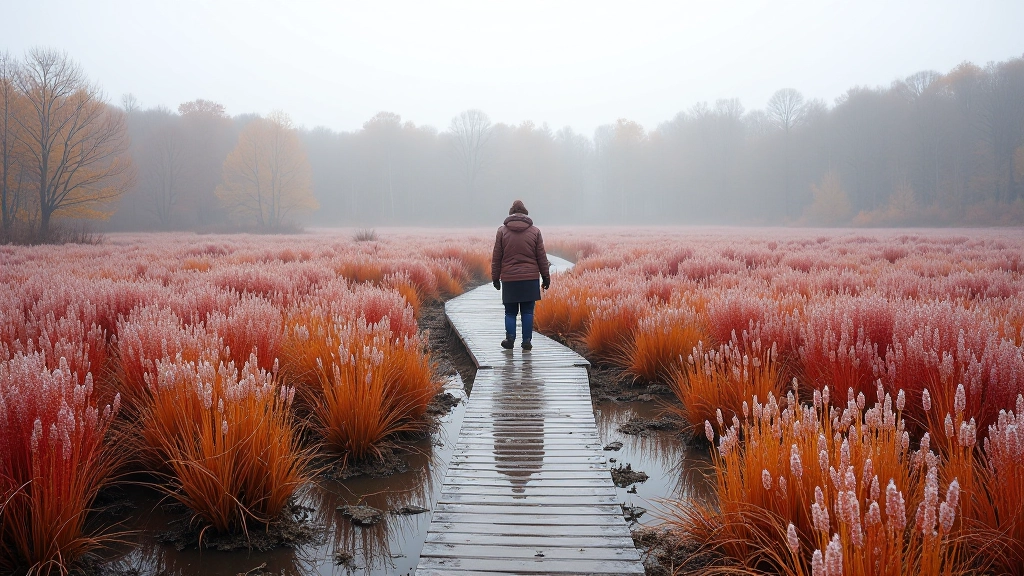
A bog walk isn't a typical nature activity. You're not hiking through forests or climbing hills. You're moving slowly through a carefully protected ecosystem on a structure that keeps both you and the habitat safe. That pace — that slowness — is actually the point. It's where the real experience happens.
Start with the route length that feels comfortable. There's no achievement in forcing yourself through the full circuit if you're exhausted by the middle. Choose activities that match your fitness level, check local conditions before travelling, and speak with your GP if you have health concerns before starting a new activity. The bog will still be special on the shorter route. You'll still see things you've never seen before.
Bring something to write notes on if you're interested in wildlife. The observation tower is where you'll spend most time if you're watching birds. Early morning visits reward patience — that's when wildlife is most active. And don't rush. Five people walking slowly, stopping frequently, will have a better experience than twenty people moving quickly through the same route.
Important Notice
Choose activities that match your fitness level, check local conditions before travelling, and speak with your GP if you have health concerns before starting a new activity. Weather conditions at the bog can change quickly. The boardwalks can become slippery when wet. Always stay on marked trails and follow posted guidelines for visitor safety and habitat protection.