
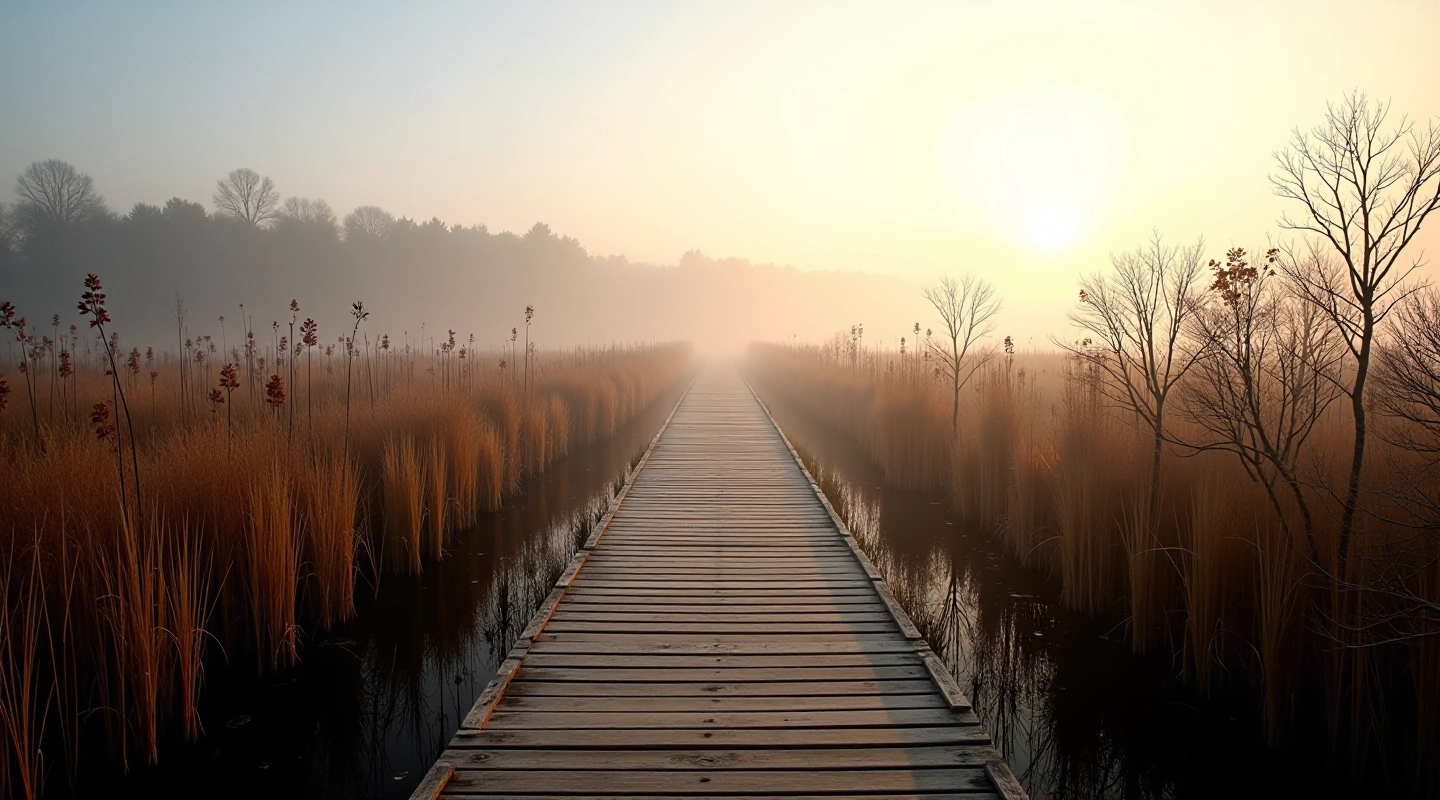
Planning Your Bog Walk: What to Expect on the Trails
Route lengths, best times to visit, what wildlife you're likely to see, and how to prepare for a comfortable day on the boardwalks.
Discover the rare plants, migrating birds, and unique wildlife that thrive in Čoftogglobal's protected wetlands — a place where nature has evolved in complete isolation.
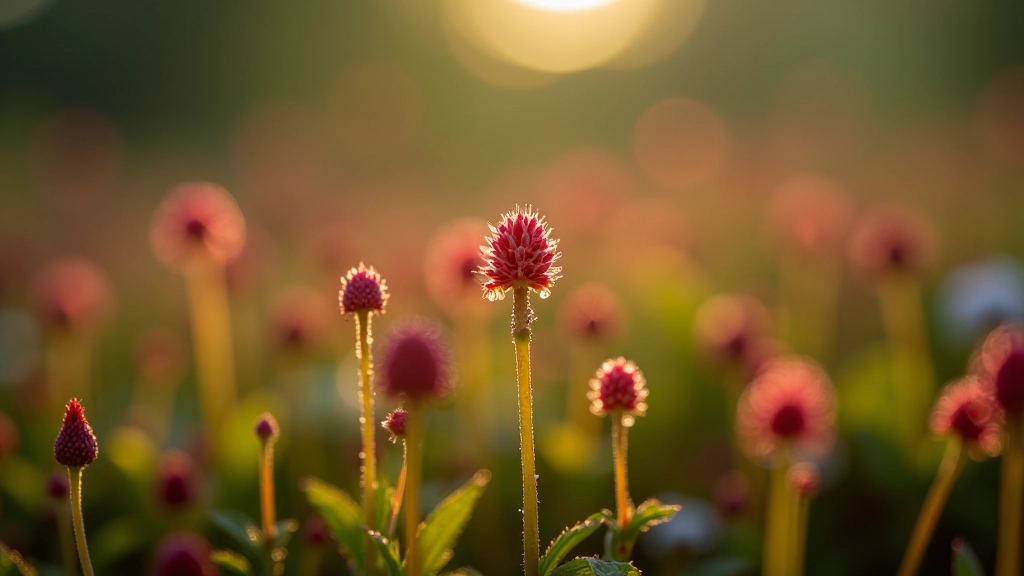
Bogs aren't just wet ground. They're living museums where plants and animals have adapted to conditions you won't find anywhere else in the region. Čoftogglobal is one of Europe's best examples — a place that's been developing for thousands of years in almost complete isolation. The soil is acidic. Water never quite drains away. Temperatures swing wildly. Yet somehow, an incredible variety of life thrives here.
When you walk the observation trails, you're not just seeing scenery. You're witnessing an entire ecosystem that works differently from anything on dry land. Plants have evolved here that you won't see anywhere else. Birds pass through on their way across continents. Insects have developed specialized ways to hunt and survive. Everything connects — everything depends on the others. It's a fragile system, but it's also incredibly resilient.
Bog plants are survivors. They've evolved to handle conditions that would kill most other vegetation — waterlogged soil, acidic water, limited nutrients. Walk the boardwalk and you'll see plants that look almost alien. Sphagnum moss dominates. It's not like the moss on trees. This stuff is the foundation of the entire ecosystem. It holds water like a sponge, creates the acidic environment, and literally builds the bog as it grows and dies layer upon layer.
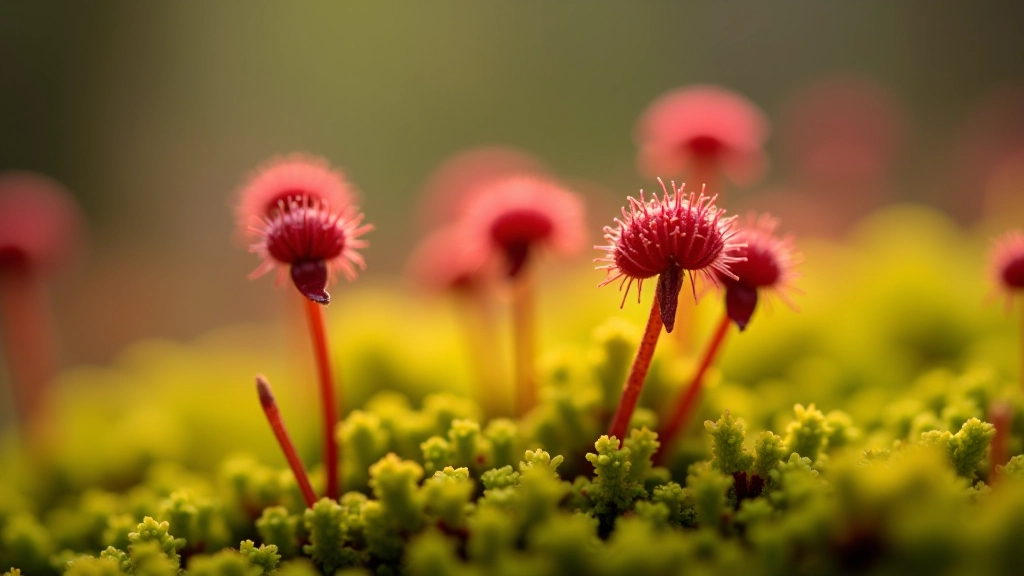
Cranberries grow here — wild ones, smaller than what you'd buy in shops, but intensely flavored. You'll also see lingonberries, cloudberries, and bog bilberries scattered across the moss. But the real show-stoppers are the carnivorous plants. Sundews glisten on the moss with their sticky tentacles. They don't get enough nitrogen from the soil, so they've developed the ability to trap and digest insects. It sounds brutal. It's actually brilliant engineering. Butterworts work similarly — plants that eat bugs because the bog won't feed them properly any other way.
Bog rosemary, heather, and dwarf pine all thrive here in forms smaller than their lowland cousins. Everything's adapted. Everything's miniaturized. The extreme conditions actually limit growth, which is why these plants look so distinctive.
Birds are the most visible animals you'll encounter. Čoftogglobal sits on a major migration route, so timing matters. Spring and autumn bring waves of visitors — warblers, thrushes, finches, all heading north or south. If you're there during migration season, the soundscape alone is worth the visit. You'll hear more bird calls in an hour than most people do in a month.
Year-round residents include black grouse, which gather in the mornings for their displays. Marsh harriers hunt overhead. Golden eagles sometimes pass through. Cranes call from the deeper wetland areas. The birdwatching here isn't casual — it's serious. Experienced birders come from across Europe specifically to see species that only show up in these protected bogs.
But there's more than birds. Amphibians thrive here. Frogs and toads breed in the wetland pools. Insects — mosquitoes, dragonflies, specialized bog beetles — are absolutely crucial. They feed the birds. They pollinate the plants. The bog's food web is tightly woven. Remove one element and the whole system feels it.
Mammals are rarer but present. You might see roe deer at dawn. Pine martens hunt here. Red squirrels navigate the scattered trees. Lynx have been documented in the wider region, though sightings are extremely uncommon.
Thousands of years of isolation have shaped everything here. When the ice age ended, water filled the depression that would become Čoftogglobal. Plants colonized it. Conditions were extreme. Species either adapted or died out. The ones that survived developed specialized traits you won't see in lowland forests.
Take the plants. Most can't handle waterlogged, acidic soil. But the ones that could slowly dominated. Over millennia, they became better at it. Their root systems changed. Their leaf structures shifted. The carnivorous plants? They evolved that strategy because the soil literally couldn't give them the nutrients they needed. That's not design — that's evolution responding to impossible conditions.
Birds adapted differently. Some species developed longer wings for the open spaces. Others learned to hunt the specific insects that thrive here. Migration routes shifted to use Čoftogglobal as a waypoint because the food and shelter here are reliable, year after year.
What you're really seeing when you walk these trails is nature's response to constraint. Limited space. Limited nutrients. Waterlogged ground. Acidic water. Extreme temperature swings. Life didn't give up. It evolved. It specialized. It found ways to thrive in conditions that would devastate lowland ecosystems.
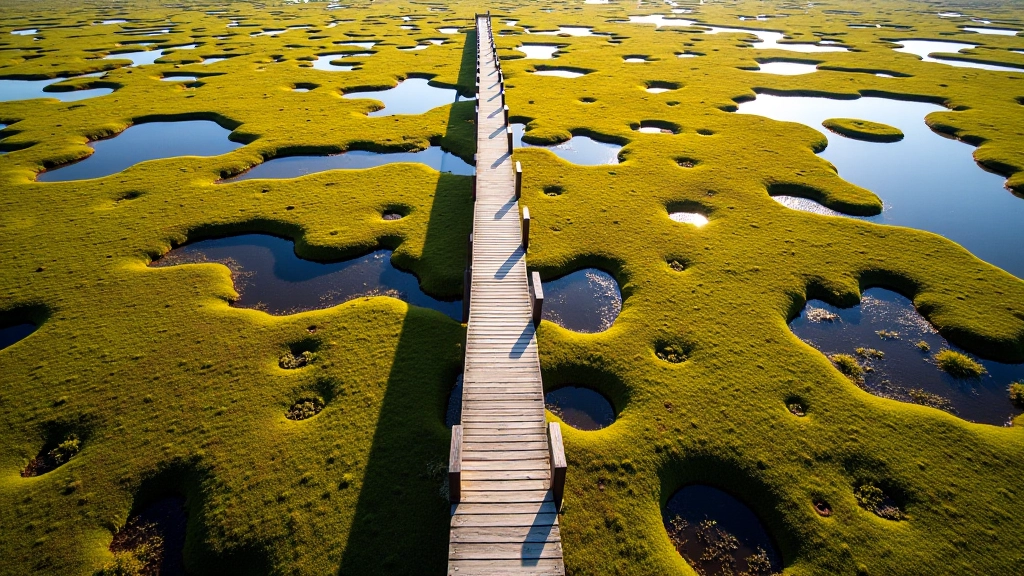
Čoftogglobal is a strict nature reserve for a reason. Bogs like this are disappearing across Europe. Drainage for agriculture, peat extraction, climate change — threats are real. This ecosystem took thousands of years to develop. It could collapse in decades if it's not protected carefully.
The observation trails exist because visitors can experience the bog without damaging it. You're walking on boardwalks specifically designed to protect the fragile moss layer underneath. Every footstep on bare moss compacts it, changes water flow, affects what can grow there. The boardwalks distribute your weight, keep you above the most sensitive areas, and let the ecosystem continue undisturbed.
When you visit, you're supporting protection. Your entrance fees fund management. The trails you walk demonstrate why the reserve exists. Visitors who understand what makes Čoftogglobal special become advocates for protection — not just here, but for wetlands everywhere.
The biodiversity you'll encounter — the plants, birds, insects — exists nowhere else like it does here. This isn't an ordinary nature walk. It's a chance to see evolution's responses to extreme conditions. It's a window into how ecosystems work when they're allowed to develop undisturbed.
Editorial Team
Written by the Čoftogglobal Editorial Team, focused on clear, practical guidance for bog trail visitors.
Route lengths, best times to visit, what wildlife you're likely to see, and how to prepare for a comfortable day on the boardwalks.

Practical tips for pensioners — which routes suit different fitness levels, where to rest, and how to stay comfortable throughout your visit.
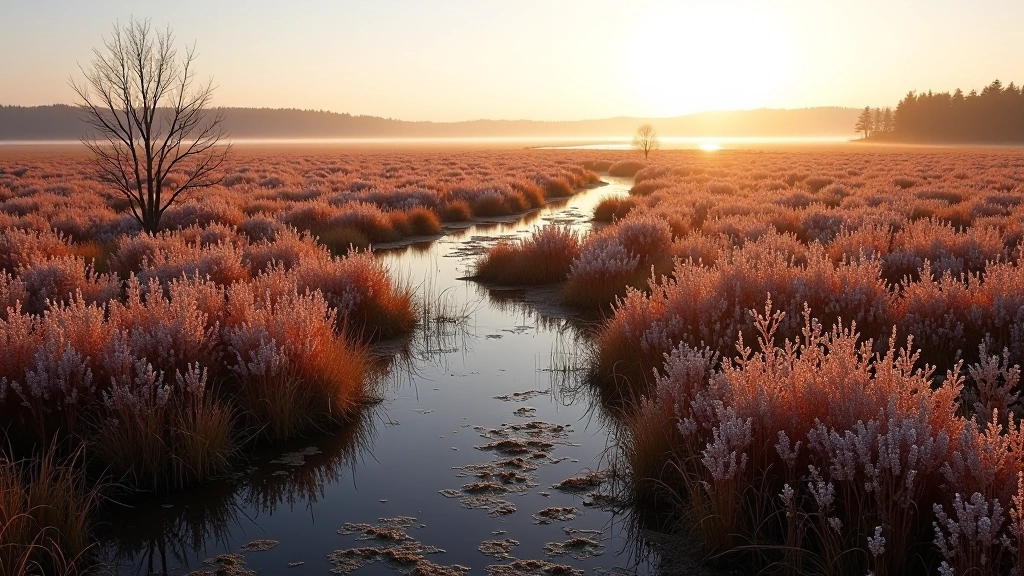
The reserve changes throughout the year — spring blooms, summer bird activity, autumn colors, and winter's quiet beauty. Learn what each season offers.
Choose activities that match your fitness level, check local conditions before traveling, and speak with your GP if you have health concerns before starting a new activity. The bog trails can be wet and slippery, especially in autumn and spring. Wear appropriate footwear and bring weather-appropriate clothing. Always stay on marked boardwalks to protect the ecosystem.