
Accessibility & Comfort: Making the Most of Your Visit
Practical tips for visitors of all mobility levels — which routes work best for you, where to rest comfortably, what to bring, and how our boardwalks support everyone's pace.
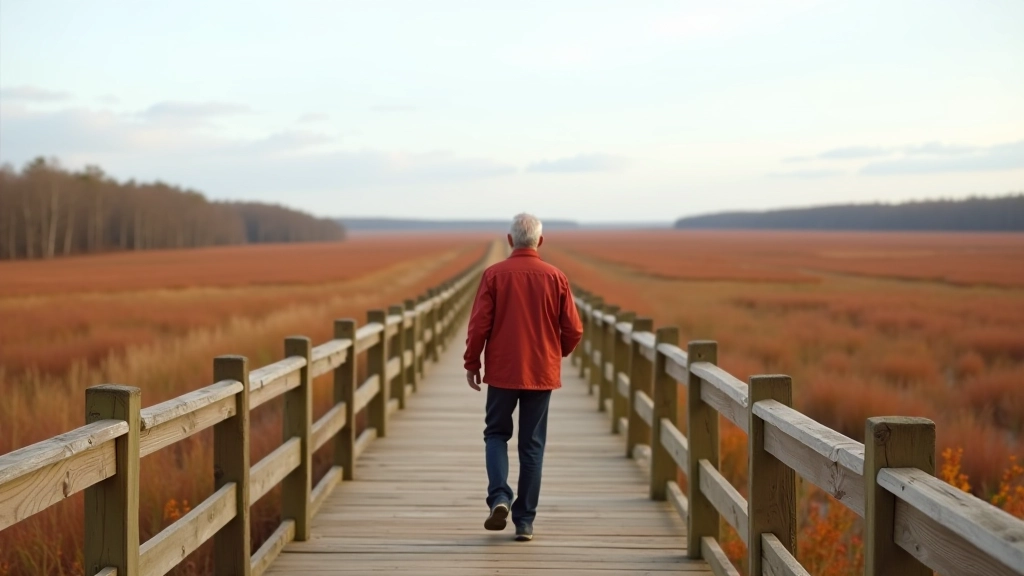
Everyone Deserves to Experience the Bog
The Čoftogglobal reserve isn't just for hardcore hikers. Whether you're moving at your own pace, recovering from injury, or managing a chronic condition, there's a route here that works for you. We've designed our boardwalks and trails with real people in mind — not just as an afterthought, but from the ground up.
What's really important? Knowing what to expect. Most visitors worry they won't be able to keep up or that they'll run out of energy halfway through. But that doesn't happen when you match your route to your actual fitness level and plan for rest stops.
Choose Your Route Wisely
We have three distinct trails — each built for different comfort levels.
Built-In Rest Points
Benches, shelters, and viewing platforms placed every 200-400 meters.
No Time Pressure
Take as long as you need. The bog doesn't close at sunset.
Understanding the Three Routes
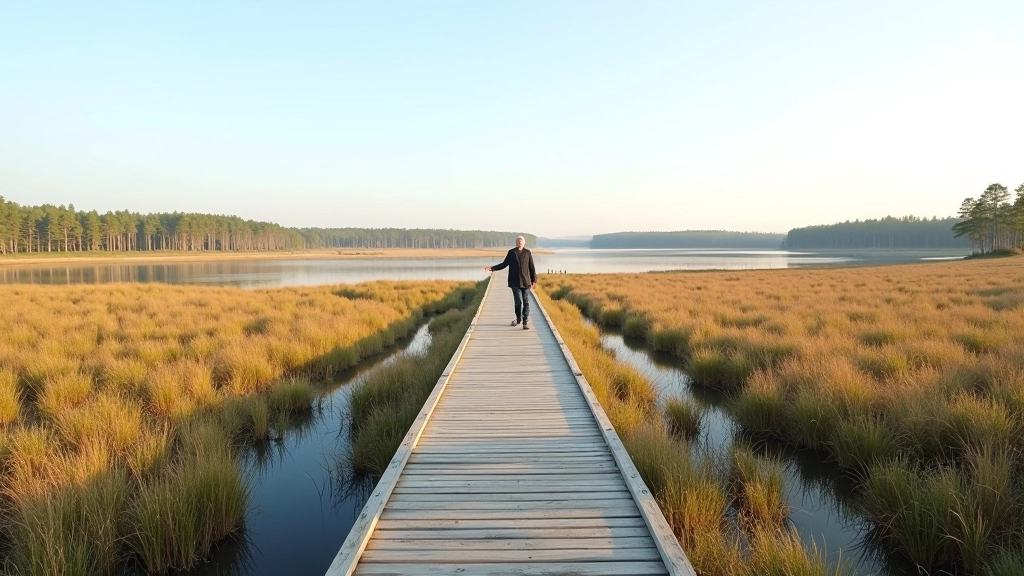
We've got routes for every comfort level, and we're not going to sugarcoat the differences. The boardwalk is 1.2 km of completely flat, solid surface — no steps, no loose gravel, no surprises. It's the most accessible option, and it's actually the most popular for good reason. You'll see the heart of the reserve without any physical strain.
The main trail is 3.5 km and has gentle elevation changes — nothing steep, but you will notice you're going up and down. It's got proper boardwalk sections mixed with compacted gravel. Takes most people about 90 minutes at a relaxed pace, though we've had visitors take 2.5 hours and enjoy every minute of it.
The extended loop runs 5.2 km and does have some sections that get a bit more challenging. It's for people who've done the main trail before or who're comfortable with longer walks. But here's the thing — you don't have to finish it. You can turn back at any point.
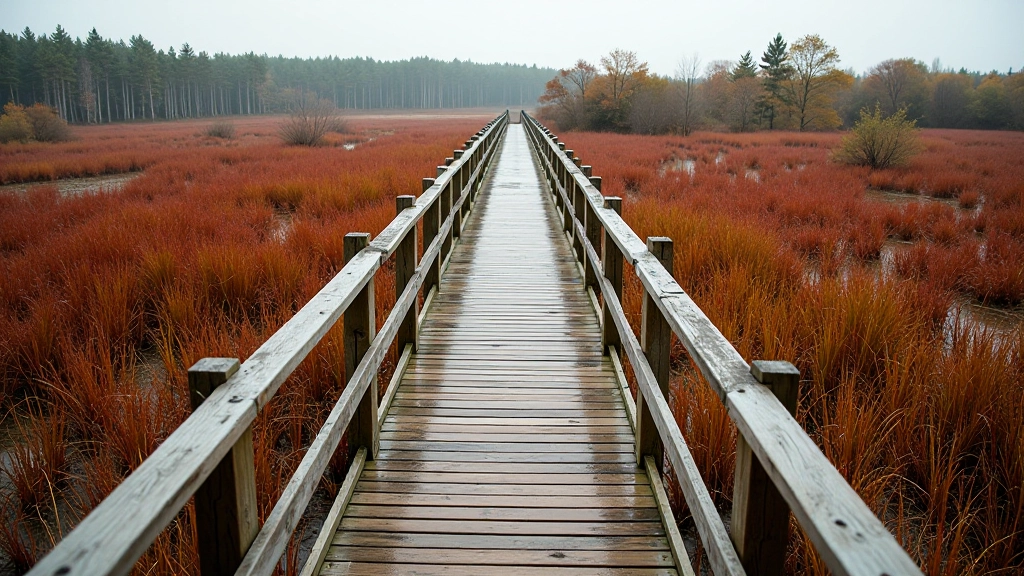
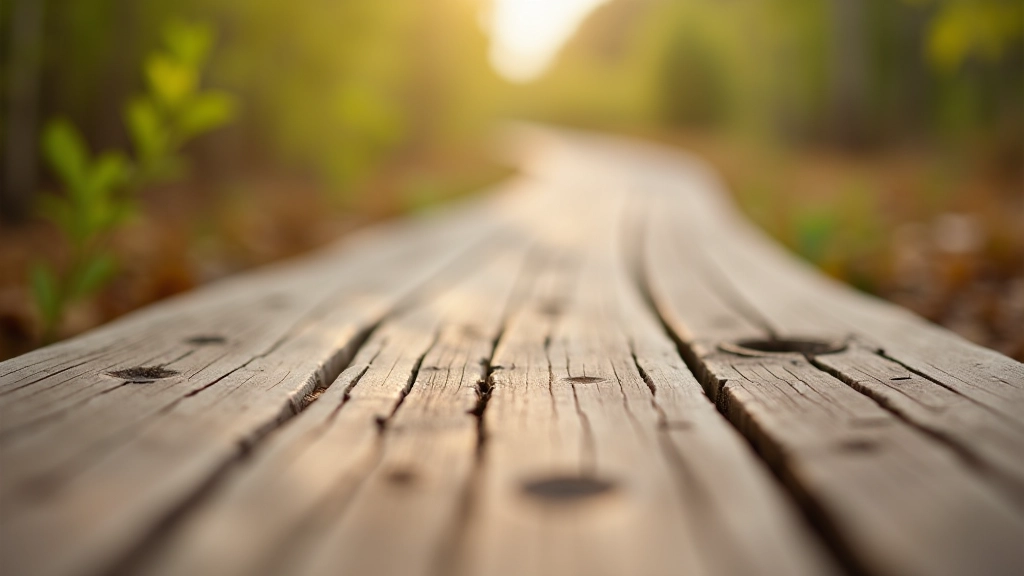
What Makes Our Boardwalks Different
The boardwalk surface is built from treated timber with a textured, non-slip finish. It's not slippery even when it's wet — and trust us, it can get wet. The width is consistent at 1.8 meters, so you've got room to move without feeling cramped. Railings run along both sides on all the elevated sections.
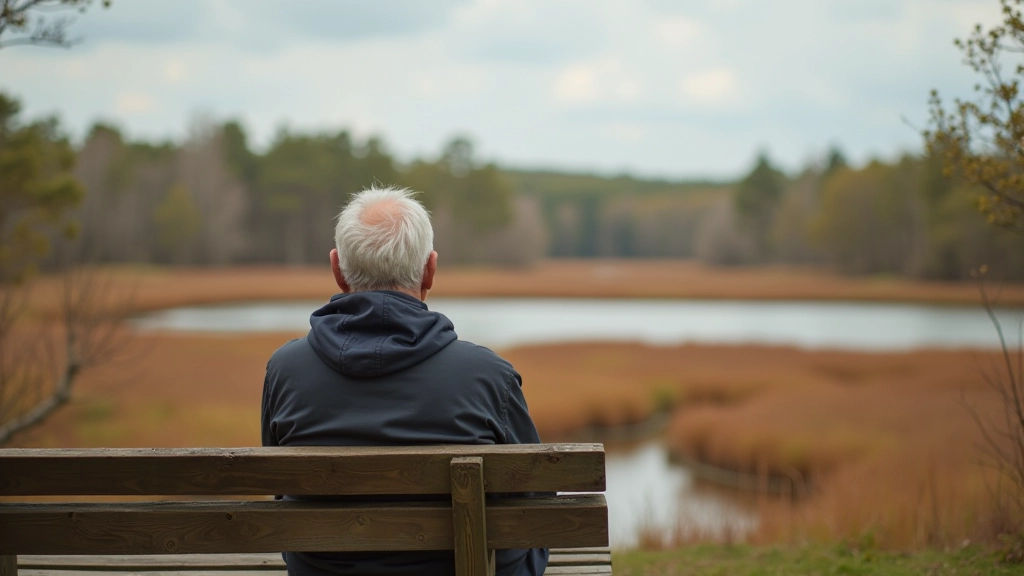
Every 200-400 meters, you'll find a rest platform. Some have benches facing the view, others have covered shelters if the weather turns. We've spaced them so you're never more than a 10-15 minute walk from somewhere to sit down. Most people don't realize how much easier a walk gets when you know rest stops are coming.
Drainage is handled properly, so you won't see standing water on the walking surface. The boardwalk sits about 60 centimeters above the bog floor, which keeps you safe and lets you see what's actually happening in the wetland below.
Pacing Yourself: The Real Secret
Here's what we've learned from hundreds of visitors: the people who enjoy themselves most aren't the fastest. They're the ones who stop to look at things, sit down when they need to, and don't treat the reserve like a race.
If you're doing the boardwalk (1.2 km), plan for 45 minutes to an hour. Not because you need that long to walk it, but because you'll want to stop and watch birds. You'll see the vegetation changing. You'll want to photograph things. That's the point.
For the main trail, 90-120 minutes is realistic. If you're moving slowly or taking lots of breaks, add 30-45 minutes. And you know what? That's perfectly fine. We've had visitors over 75 complete the entire main trail by taking it in sections, sitting regularly, and just enjoying the pace that felt right for them.
Bring water. Seriously. A 1-liter bottle minimum, even if it seems like overkill. The bog is exposed, so you feel the sun more than you would in a forest. Even on cool days, people underestimate how much they drink.
What to Bring (and What You Actually Need)
Don't overthink it. You need water, comfortable shoes with grip, and weather-appropriate clothing. That's genuinely it for most people.
Footwear matters more than people expect. Flat, stable shoes with good grip work best. You don't need hiking boots — casual walking shoes are fine. Avoid anything with loose straps or heels. The boardwalk surface is forgiving, but you want to feel confident with every step.
Bring a light jacket or sweater even if it's warm. The bog's exposed, and wind can pick up quickly. A small backpack or shoulder bag keeps your hands free. Sunscreen and a hat are important — the water reflects light, so you'll get more sun exposure than you realize.
Walking poles? They're optional, but we've noticed people with joint concerns find them genuinely helpful. They don't make you slower — they actually help you move more smoothly by distributing effort across more muscles. Many of our regular visitors use them by choice, not necessity.
Getting the Most from Your Visit
The bog isn't trying to be difficult. It's just being a bog — wild, wet, and wonderful. Our job is to make sure you can experience it safely and comfortably, at whatever pace feels right for you.
Start with the boardwalk if you're unsure. Most people are surprised by how much they enjoy it. The main trail opens up if you want to go further. The extended loop is there when you're ready. There's no pressure to do everything in one visit.
Come back in different seasons too. The reserve changes dramatically from spring through autumn. What you see in July is completely different from October. That's worth experiencing more than once.
Before You Visit
Choose activities that match your fitness level, check local conditions before travelling, and speak with your GP if you have health concerns before starting a new activity. Weather conditions on the bog can change quickly, so check forecasts before you visit. Wear appropriate footwear with good grip, and don't hesitate to turn back if you're feeling tired.